The figure of 11 cubic meters per person is a minimum and may be insufficient if, for example, a large part of the room is occupied by furniture, etc. The total volume of the room, when empty, divided by the number of people who normally work in it must be at least 11 cubic meters. When doing this calculation, a room or part of a room that is more than 3.0 m in height must be counted as 3.0 m in height. If you have between one and 10 employees, you'll need a small serviced office with around 100 to 1000 square feet of space.
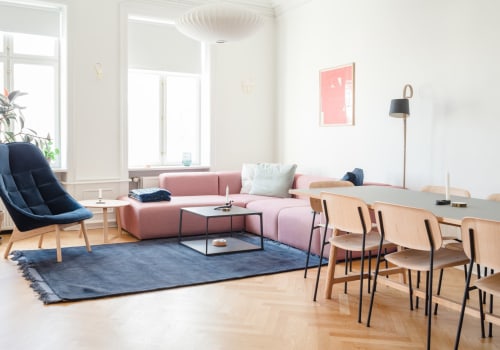
Serviced offices include everything you need in the price, such as furniture, broadband, public services and access to common rest and kitchen areas. They're also available with flexible offerings, so you can go somewhere else or move to a larger (or smaller) office in the same building when your needs change. Below are examples of office spaces that would be perfect for small businesses. It has a view of the reception area, cubicles, offices, conference room, break room, etc. But how much space do these areas actually take up? Will you have enough space for all the common areas you need? What style of office space works best? The 100 square foot per person rule works best for open-plan offices, which have become much more popular over the past decade.
Making everyone feel close to each other can promote innovation and efficiency. Open-plan workspaces can also reduce costs by sharing resources such as printers, photocopiers, and even lighting. However, this doesn't fit every type of business. If you want to encourage a more isolated work style, with cubicles and workstations, consider allowing up to 200 square feet per person.
Of course, you can also choose a combination of both worlds. While there is no one-size-fits-all answer, a commonly used guideline in the UK is 100 square feet per person (approximately 9.3 square meters). This figure generally allows for around 50 square feet per desk and another 50 square feet for access to common areas, such as meeting rooms or social spaces. To determine your office space requirements, consider the number of employees, the layout of the workspace, and additional facilities, such as meeting rooms and collaboration areas.
A common reference point is 100 to 200 square feet per employee, depending on the industry and work style. Hybrid models can reduce desktop needs, but increase shared space requirements. In a typical office with a standard ceiling height of 2.4 m, that equates to about 4.6 square meters per person (approximately 50 square feet). However, this is a minimum requirement for complying with safety laws, not a recommendation for comfort or productivity.
The HSE makes it clear that this amount of space may not be enough considering desks, chairs and storage. They also require that there be enough space for people to move freely and safely. While the legal minimum is important, most companies are looking for a more comfortable setup. The British Council for Offices (BCO) recommends 10 square meters per person as a good reference point.
That's about 108 square feet per person, double the legal minimum. Most standard desks in UK offices are 120 to 160 cm wide and 60 to 80 cm wide of depth. That's approximately 1 to 1.3 square meters of desk space. But once you include a chair and space to move around, each workstation ends up needing at least 2 to 3 square meters.
On top of that, you need clear hallways, access to doors, and maybe some storage. Therefore, in practice, the total area needed per person is much more than the size of the desk. If you are looking for comfort and efficiency, staying with about 10 m² per person is a smart decision. That way, your equipment won't feel cluttered and you'll avoid the dangers of overcrowding.
If you're planning to rent an office, don't just look at how many desks fit. Think about the comfort, productivity and the impression your office leaves on customers and staff. Businesses that take up more space than they need can sublet their extra space and charge the rent to another company that is occupying the space on a short-term lease. However, to create an office space that your employees really want to work in, it's recommended to give your staff much more space than this.
This will provide you with a solid base on which to base your space needs and will help you identify which property and type of office space are best for the type of work you're doing. Some employees may benefit from open spaces that allow for easy collaboration and communication between team members, while others may need more private spaces for meetings and phone calls. At the same time, office space per employee has declined 9% from pre-pandemic levels, reflecting a move toward more efficient use of space. While official office space planning guidelines are useful, if you have 50 employees and, realistically, only 60 or 70% of the team uses your office regularly, your space requirements will be very different from those of a company with full-time occupancy. To know how much space you'll need per employee, you'll need to visualize your future office space.
Factors such as budget and location are factors that influence when it comes to occupying an office space, since the cost of office space will fluctuate depending on where it is find. Instead of renting enough space for everyone, it makes more sense to switch to more agile spaces with fewer fixed desks and more collaborative work areas. Collaborative spaces: more meeting rooms and common workplaces Social and wellness areas: living rooms, quiet areas and spaces for small groups Intelligent office technology: booking systems based on artificial intelligence, workplace analysis and hybrid meeting configurations. Determining the appropriate amount of office space per person depends on several variables, such as the layout and layout of the office, the nature of the work performed, and the need for collaborative spaces.
Hybrid work has led some companies to optimize space more efficiently, but instead of reducing its size significantly, many are reallocating space to collaboration areas and zones flexible working.